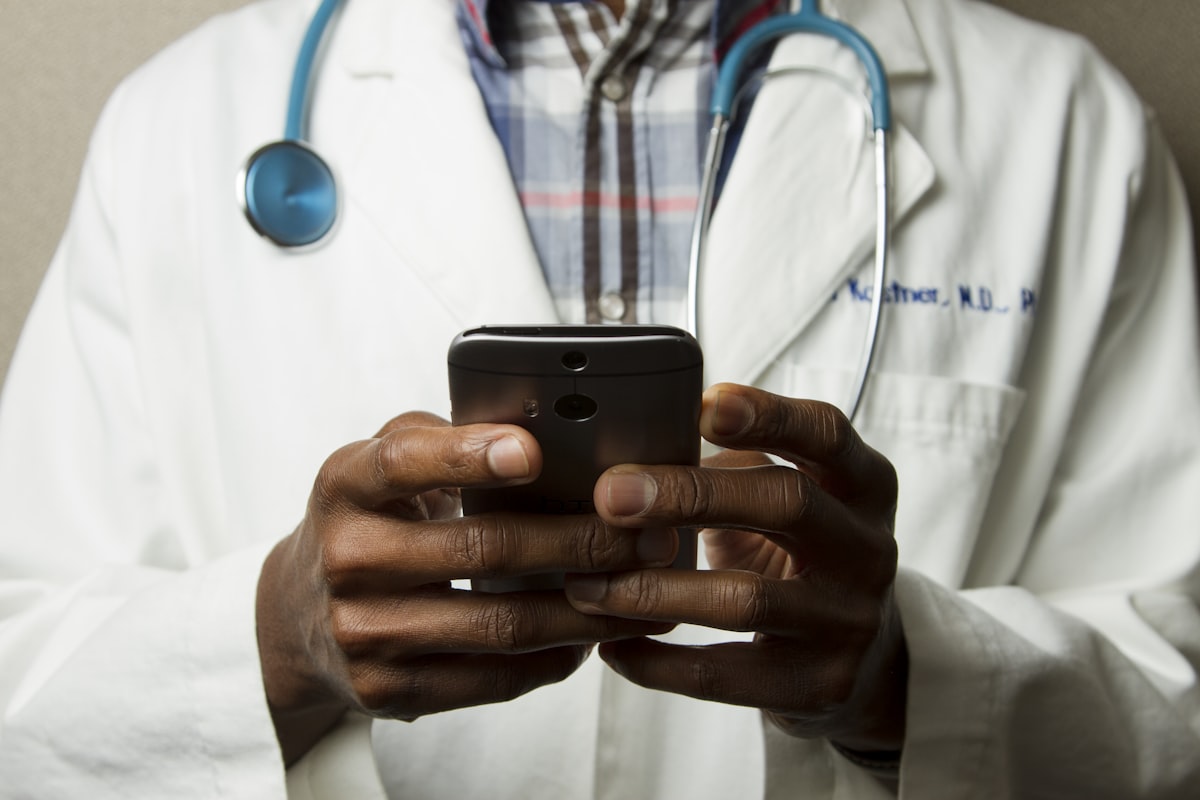
Medical diagnostics is witnessing a massive paradigm shift. Artificial intelligence is no longer just a laboratory novelty; it has transitioned into deep clinical workflows, assisting physicians in detecting abnormalities with unmatched speeds and precision.
Computer Vision in Pulmonary Screening
Machine learning models trained on millions of chest radiographs can now identify pulmonary nodules, pneumonia consolidations, and signs of tuberculosis in less than 10 seconds. In rural diagnostic centers, this immediate assessment provides a crucial bridge before radiologist reviews.
"AI systems serve as a tireless co-pilot for clinicians, identifying micro-abnormalities that are easily missed during long, exhausting diagnostic shifts."
Predictive Cardiology and Rhythm Monitoring
Wearable sensory platforms coupled with neural networks analyze real-time ECG signals to predict onset cardiovascular arrhythmias. Instead of treating strokes after they manifest, doctors are notified days in advance to prescribe preventative blood-thinning therapies.
By shifting healthcare from a reactive treatment model to a highly predictive model, AI is saving lives and significantly reducing critical hospital readmission rates.